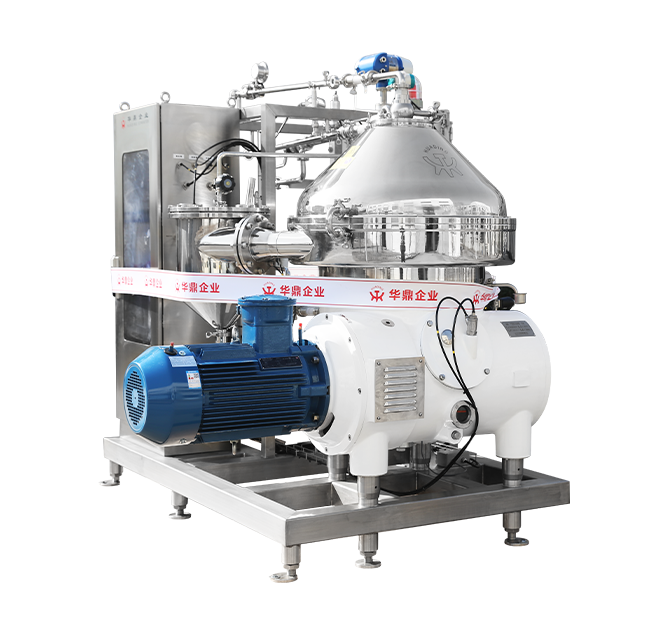
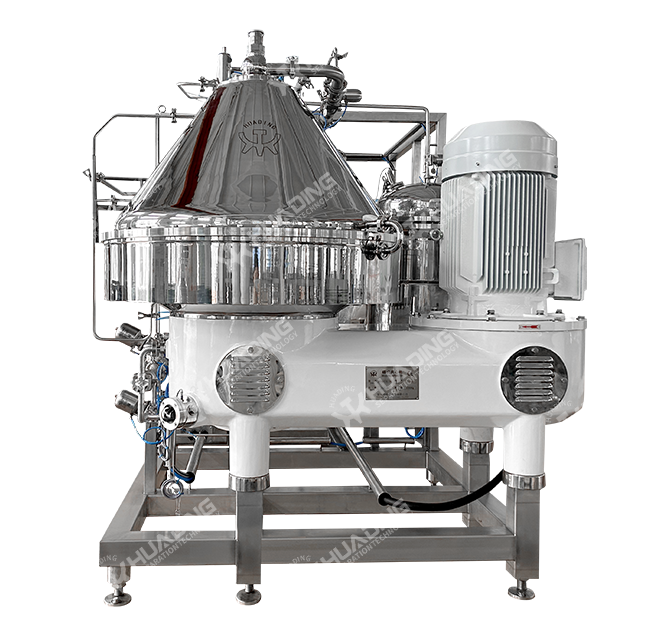
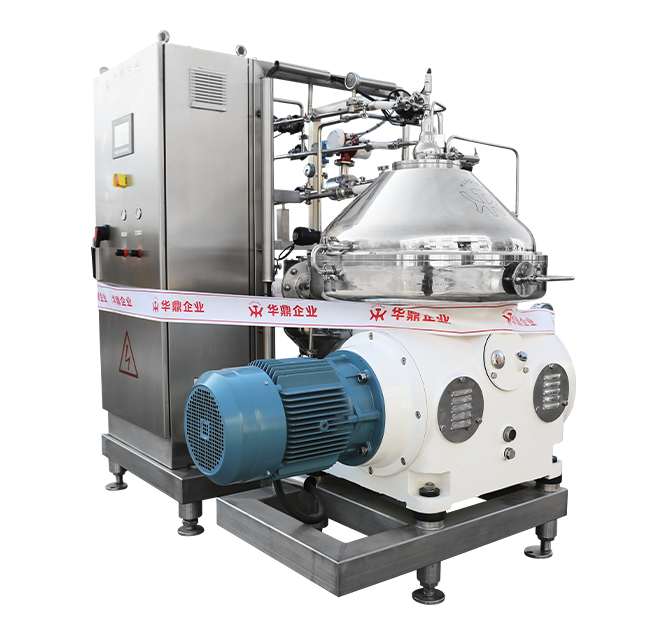
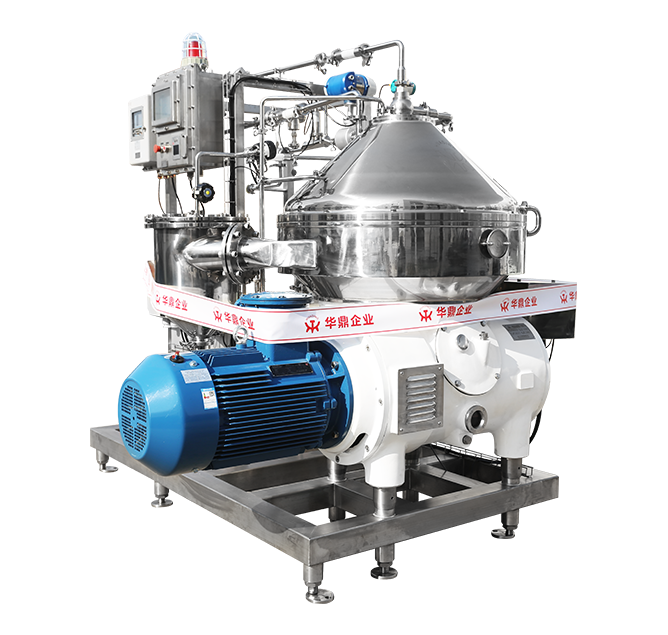
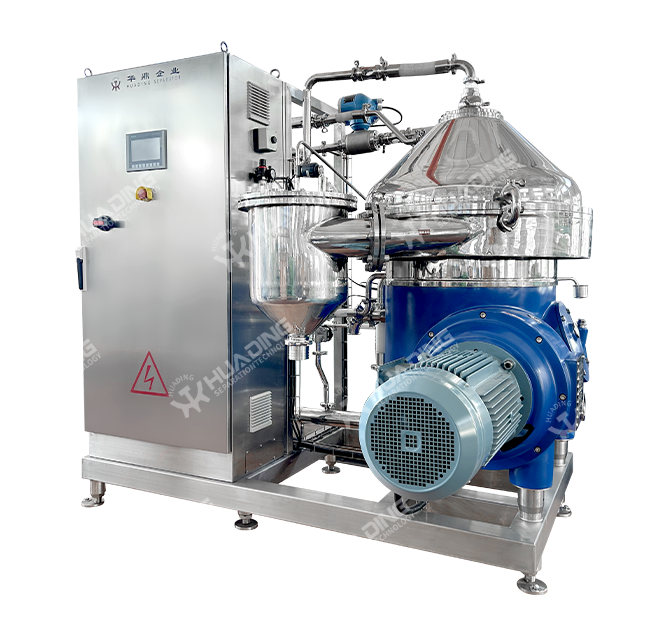
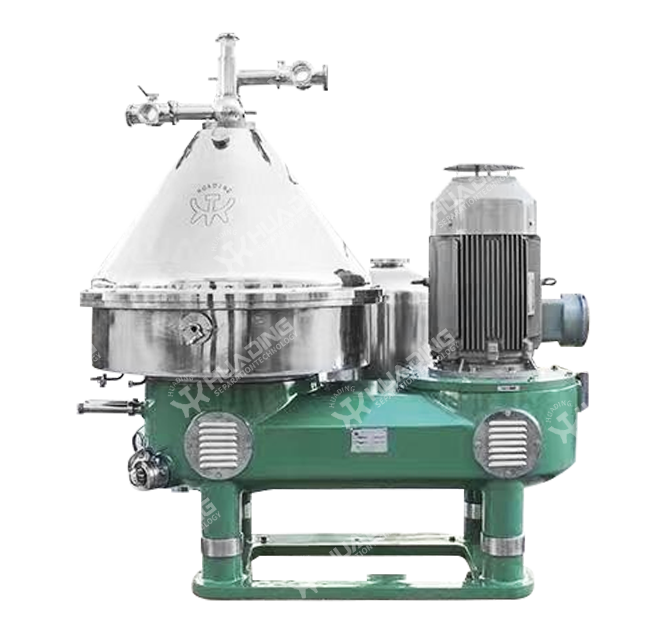
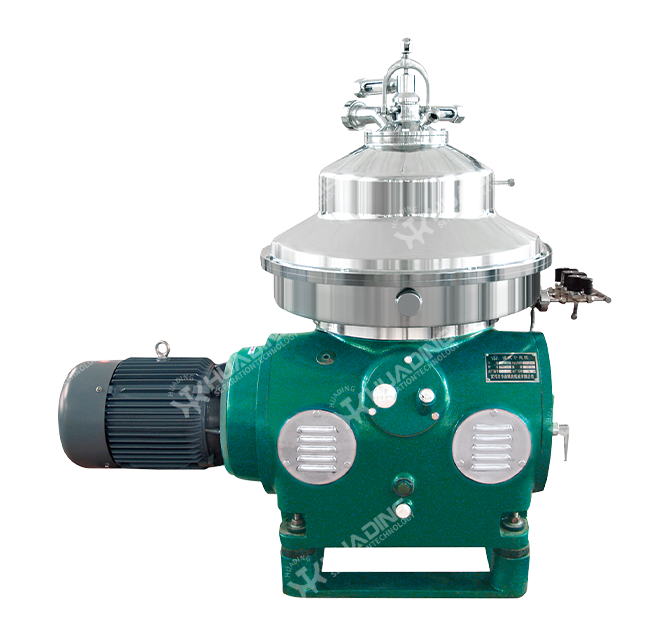
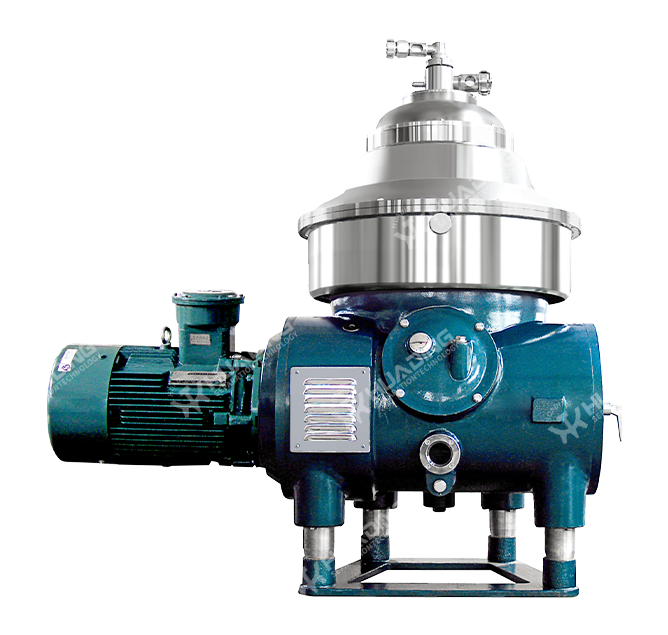
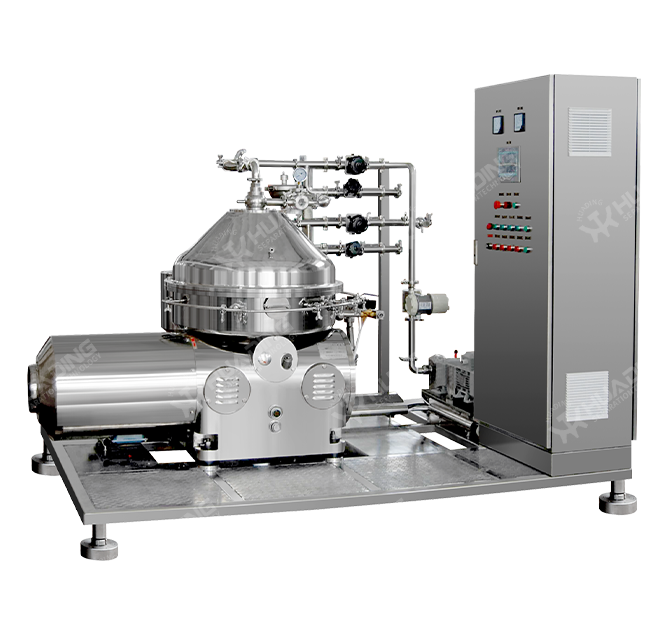
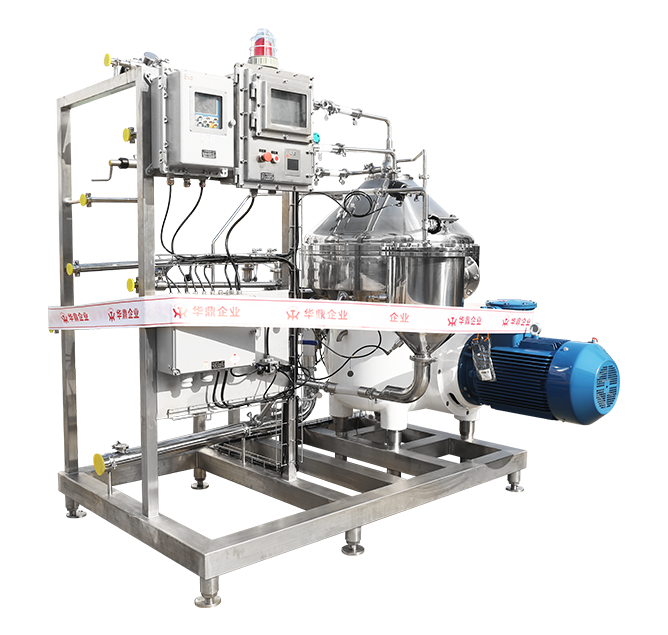
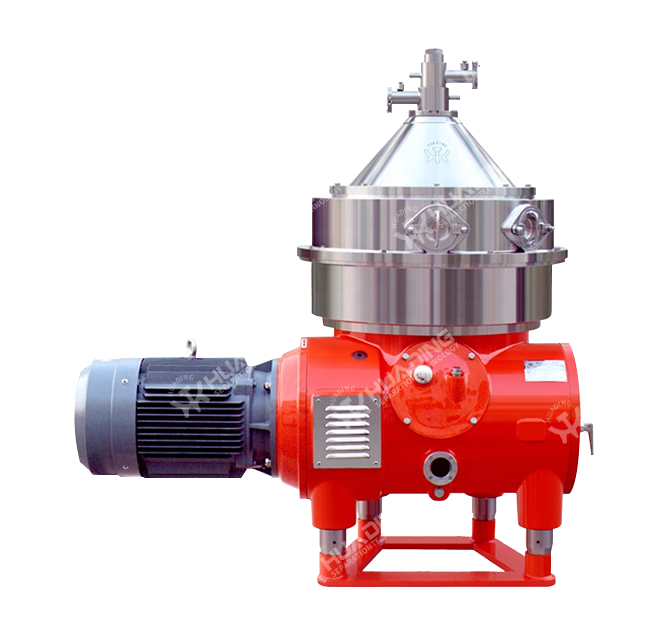
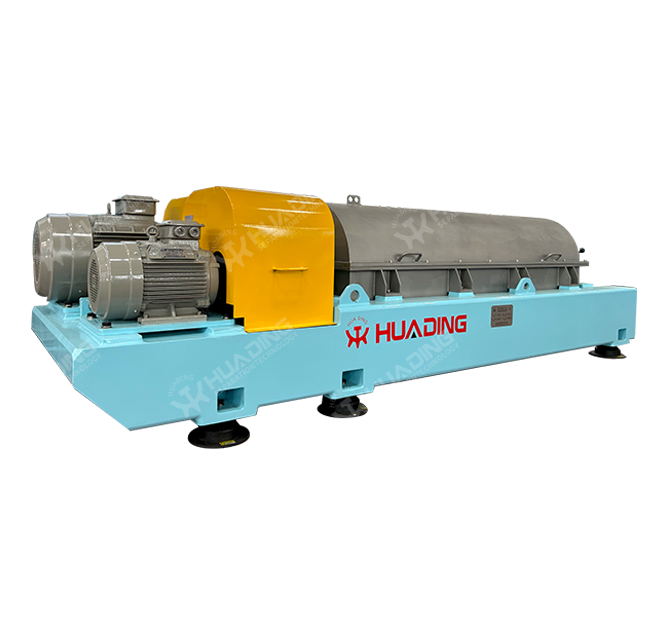
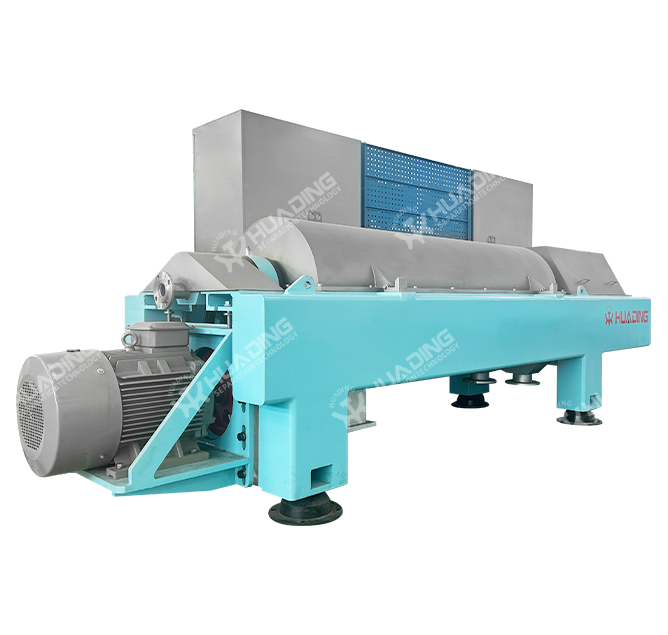
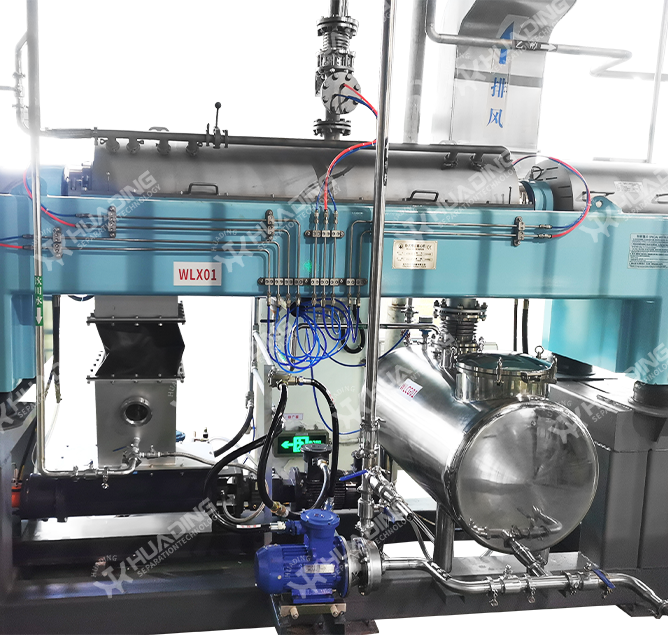
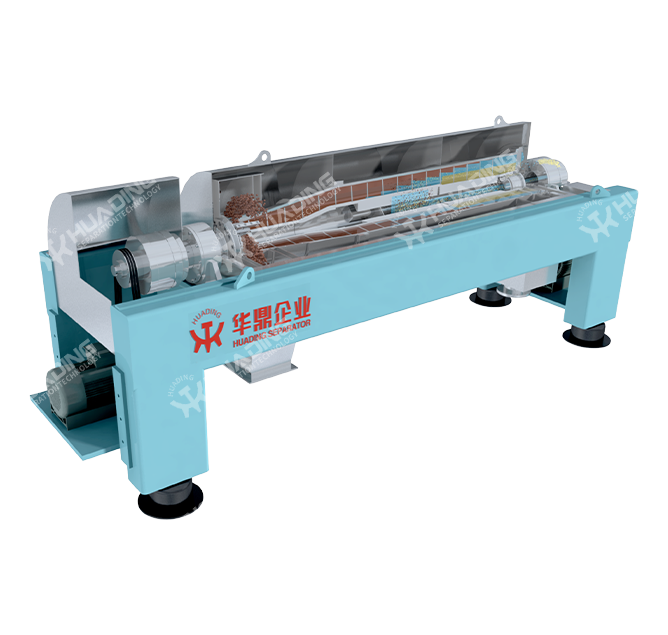
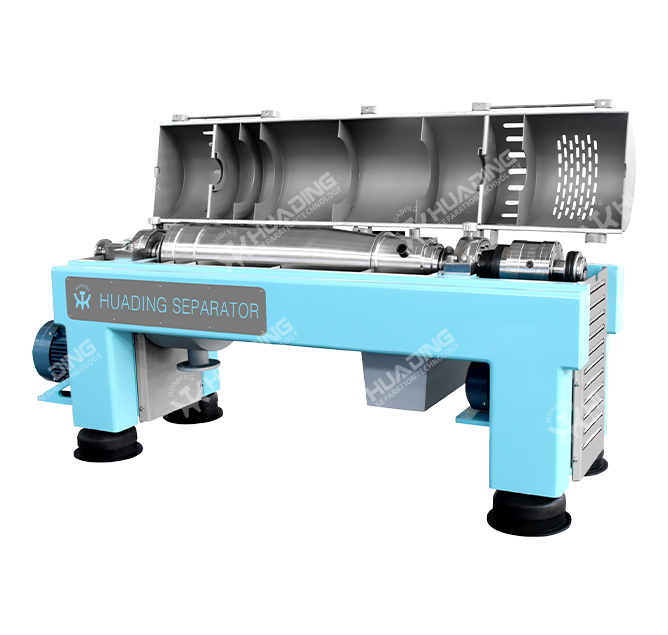
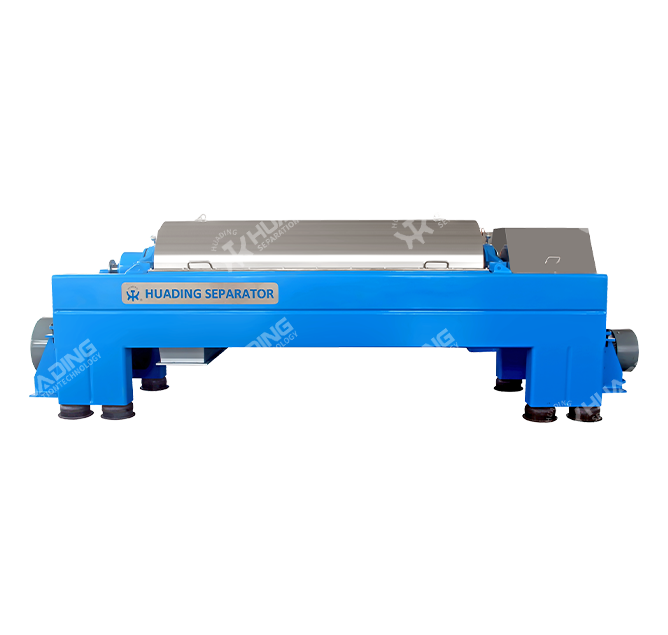
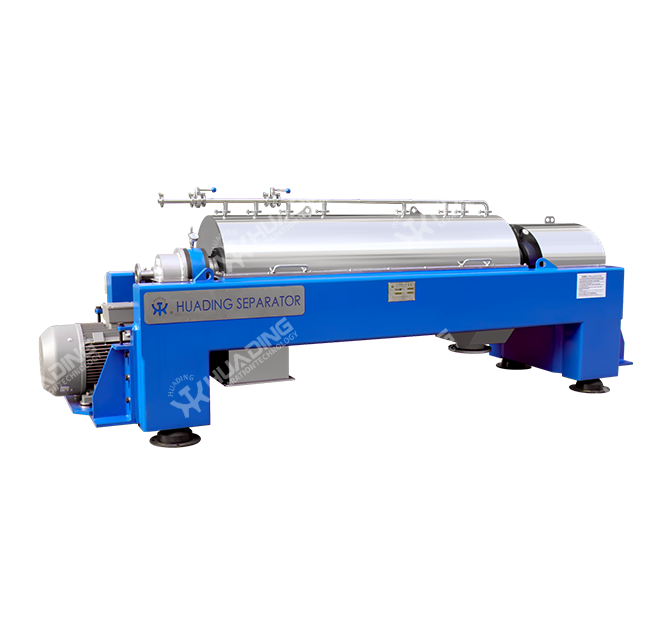
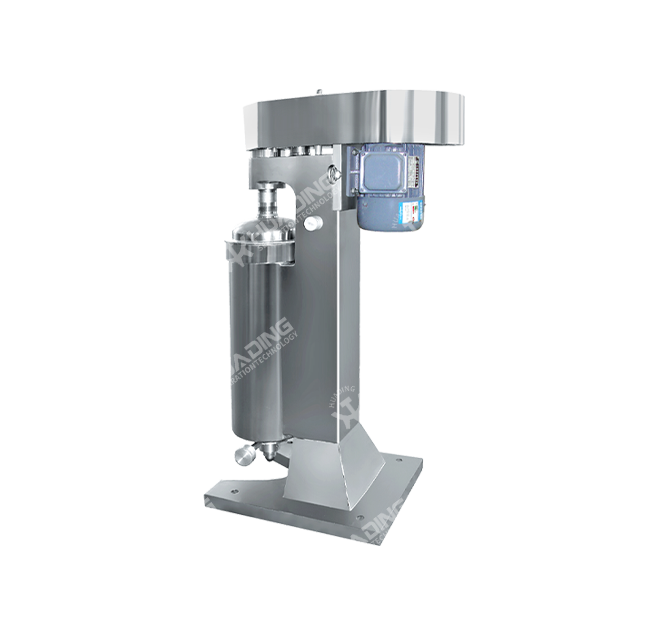
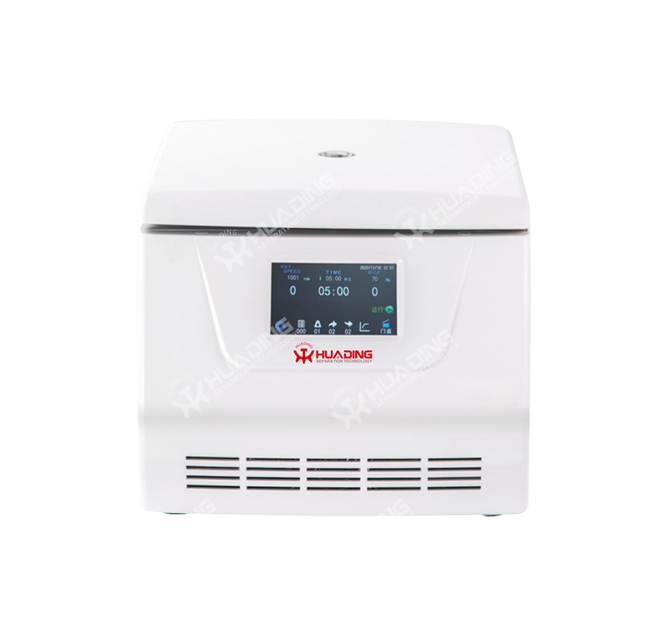
The Water Treatment Decanter Centrifuge is a crucial piece of equipment in modern wastewater treatment and environmental protection. As a highly efficient solid-liquid separation device, its powerful separation capabilities and energy-saving features have made it a preferred tool in a variety of industries, including industrial wastewater, municipal wastewater treatment, and environmental protection. Its application not only significantly improves water treatment efficiency, but also effectively reduces operating costs and contributes to the achievement of environmental protection goals.
How does the Water Treatment Decanter Centrifuge improve wastewater treatment efficiency?
The Water Treatment Decanter Centrifuge's high separation capacity is one of its greatest strengths. The device uses powerful centrifugal force to rapidly separate solids and liquids from wastewater, rapidly removing solids and significantly reducing the moisture content of the sludge. This efficient dewatering capability makes the device excellent in a variety of water treatment applications, especially in industrial and municipal wastewater treatment.
For example, the LW360 model, with a processing capacity of up to 26kW, reduces energy consumption while maintaining high processing capacity compared to traditional belt filter presses. This not only improves wastewater treatment plant efficiency but also reduces energy costs. The Water Treatment Decanter Centrifuge utilizes frequency conversion technology, allowing it to adjust its speed based on the varying characteristics of wastewater, ensuring optimal separation results. Precise differential speed control of the liquid level baffle and screw conveyor system enables the device to automatically adjust its operating mode to suit varying wastewater treatment requirements, ensuring efficient separation and treatment results.
This flexibility and precise control make the Water Treatment Decanter Centrifuge an ideal device for a wide range of wastewater treatment projects. Whether treating wastewater in the chemical, pharmaceutical, and food industries or dewatering sludge in municipal wastewater treatment plants, the device delivers stable and optimal performance.
How does the Water Treatment Decanter Centrifuge save operating costs and reduce energy consumption?
The Water Treatment Decanter Centrifuge's energy-saving advantage lies in its advanced frequency conversion technology. Through intelligent control, the device adjusts its power output based on the actual wastewater conditions, ensuring optimal treatment results while operating at low power. Compared to traditional belt filter presses and other separation equipment, the Water Treatment Decanter Centrifuge significantly reduces power consumption.
Taking the LW360 model as an example, the device's rated power is only 26kW, but during actual operation, its power consumption is typically controlled between 40% and 60% of the rated power. This significantly reduces energy consumption and significantly lowers operating costs. For large-scale wastewater treatment plants, reducing energy consumption not only helps lower production costs but also supports the company's sustainable development strategy.
The Water Treatment Decanter Centrifuge features a fully automated control system that can be operated via PLC control and remote monitoring. This not only improves equipment reliability, but also reduces manual intervention and labor costs. The device's automated operation and precise fault detection enable timely identification and maintenance of equipment problems, further reducing production line downtime and improving equipment efficiency.
What are the applications of the Water Treatment Decanter Centrifuge in the environmental protection field?
In the environmental protection field, the Water Treatment Decanter Centrifuge has a wide range of applications, covering wastewater treatment, sludge dewatering, liquid phase clarification, and other areas. Through efficient solid-liquid separation, the Water Treatment Decanter Centrifuge effectively removes suspended solids, sediment, and organic matter from water, reducing water pollution and meeting environmental emission standards.
Water treatment centrifuges are not limited to industrial wastewater treatment; they play a particularly important role in municipal wastewater treatment. In municipal wastewater treatment plants, the Water Treatment Decanter Centrifuge is primarily used for sludge dewatering. By optimizing operating parameters, the equipment can significantly increase the solids content of sludge and reduce the moisture content to below 60%, thereby reducing sludge handling volume and subsequent treatment costs.
The Water Treatment Decanter Centrifuge is also widely used in the petroleum, mining, and chemical industries. In the petroleum industry, the equipment efficiently treats oilfield wastewater and separates oil contaminants. In the mining industry, it is widely used for slurry separation and wastewater treatment, helping to reduce heavy metals and other hazardous substances in wastewater, improve recovery efficiency, and reduce the burden on the environment.
Huading Separator's Contribution to Water Treatment
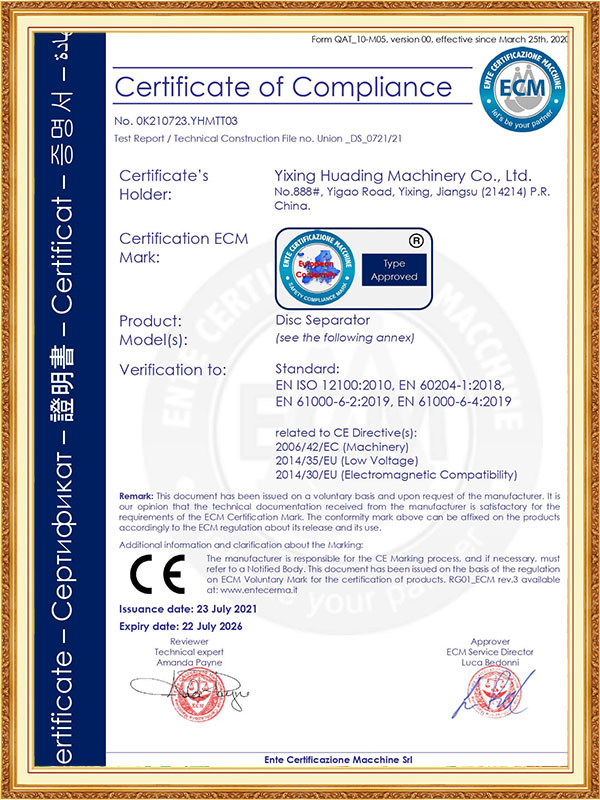
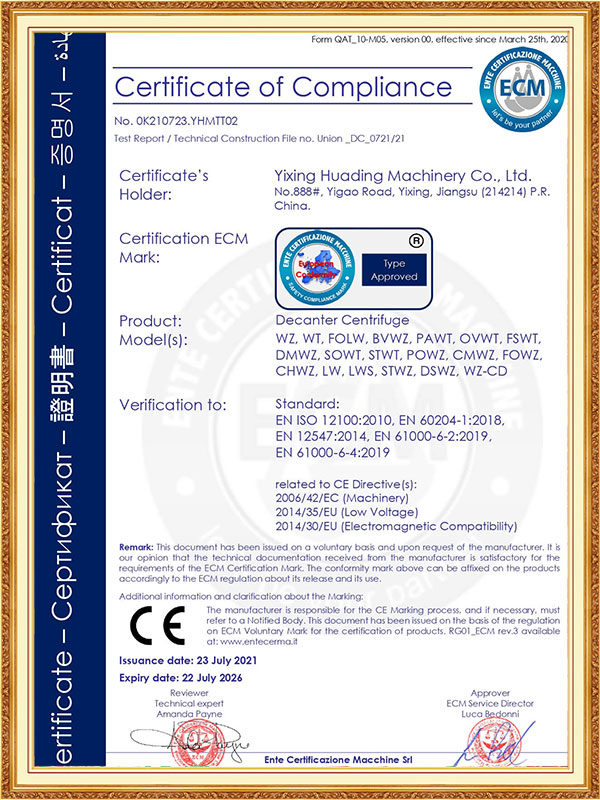
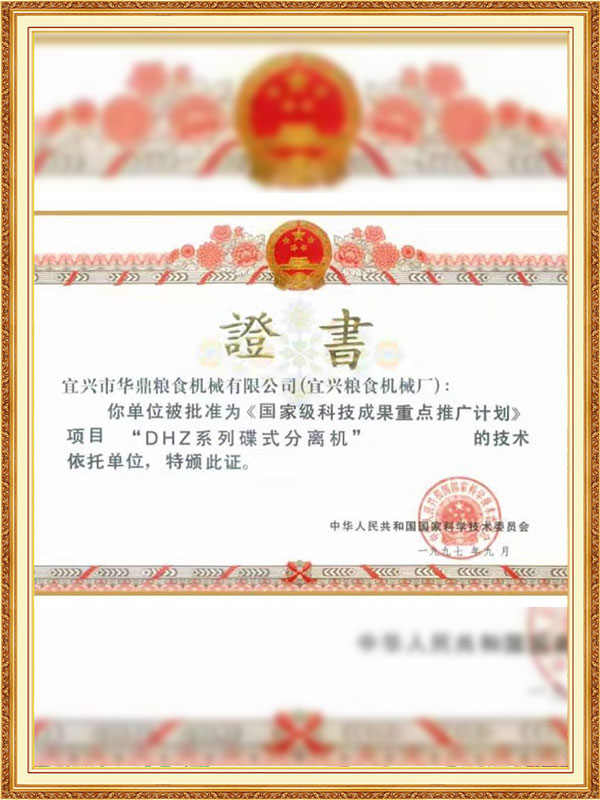
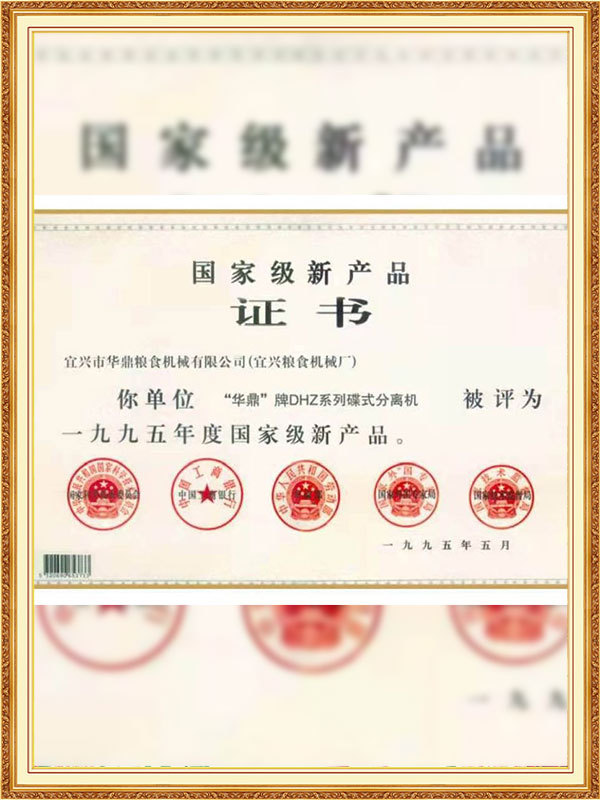
Yixing Huading Machinery Co., Ltd., a leading supplier of separation equipment in China, specializes in providing efficient and energy-saving equipment and engineering solutions. Leveraging independently developed core technologies, the company has accumulated extensive experience in clarification, purification, and concentration, particularly in water treatment equipment. Huading Machinery boasts a strong technological advantage.
Huading Machinery's Water Treatment Decanter Centrifuge products range from a 500L/h laboratory model to a 90T/h industrial model, meeting diverse needs from laboratory to large-scale industrial production. With their efficient and stable separation capabilities, Huading's centrifuges are widely used in industries such as water treatment, petrochemicals, beverages, and pharmaceuticals, providing reliable separation solutions for a wide range of sectors.
In its Water Treatment Decanter Centrifuge applications, Huading Machinery's equipment places particular emphasis on environmental protection and energy conservation. Utilizing frequency conversion technology and a hydraulic drive system, Huading's centrifuges reduce energy consumption while maintaining excellent separation performance. This not only helps customers reduce operating costs during production but also helps them better achieve environmental goals.
Huading Machinery's technical team works closely with customers to provide customized separation and filtration solutions to address various issues they encounter during water treatment. By continuously optimizing product performance, Huading Machinery helps customers improve process efficiency and product quality while reducing negative impacts on the environment.